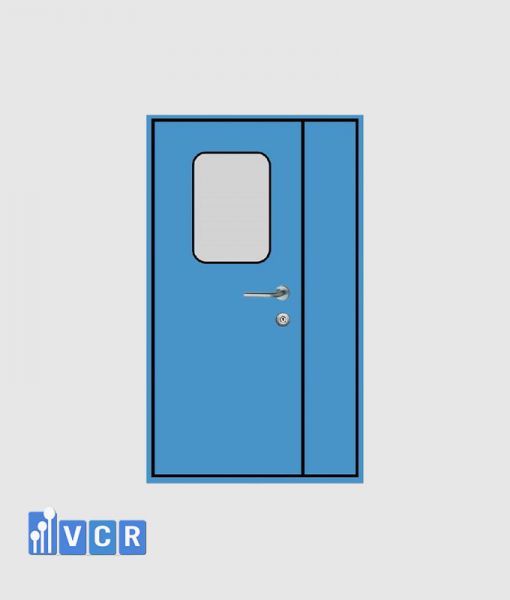
In real audits, “VCR Cleanroom Equipment” has observed that cleanroom doors are often an indirect source of GMP findings if not fully controlled in both operation and documentation.
What aspects of cleanroom doors are evaluated during GMP audits in real operation?
In GMP audits, cleanroom doors are not evaluated as standalone components but as part of the overall environmental control system, so auditors assess airtightness, ability to maintain pressure differentials, impact on airflow, and actual operator behavior. Auditors often observe real-time door usage, inspect gasket condition, check surface integrity, and evaluate whether door operation could cause cross-contamination. Documentation such as operation logs, maintenance records, and training evidence is also reviewed to ensure that the system is not only well designed but also correctly implemented in practice.
What documentation should be prepared for cleanroom doors during a GMP audit?
Required documentation includes design drawings, technical specifications, operational SOPs, maintenance SOPs, periodic inspection records, operational logs, and validation-related documents to demonstrate full lifecycle control of the door system. In addition, documents must be up to date, properly approved, and easily retrievable during the audit. A complete and well-structured documentation set not only proves compliance but also reflects a well-managed system.
Do cleanroom doors require dedicated SOPs or only system-level SOPs?
Cleanroom doors should have dedicated SOPs or be clearly defined within cleanroom operational SOPs because door usage directly affects pressure differentials, airflow, and contamination risks. SOPs must define opening and closing procedures, door open duration, movement control, and actions in case of abnormalities to ensure consistency. Standardized SOPs reduce dependence on individuals and improve GMP compliance.
How can GMP audit preparation for cleanroom doors be done effectively?
Effective preparation requires pre-audit inspection of door condition including sealing performance, operation, gasket status, surface condition, and integrated systems such as interlocks or sensors, along with thorough documentation review. In addition, personnel must be trained to understand procedures and respond confidently to auditor questions. Proactive preparation reduces audit pressure and increases success rates.
What are the most common audit findings related to cleanroom doors?
Common findings include poor sealing, damaged gaskets, incorrect operation, excessive door opening time, simultaneous door opening causing pressure loss, and incomplete or inconsistent documentation. Another frequent issue is insufficient operator knowledge, leading to incorrect responses during audits. Identifying these issues in advance helps improve readiness.
Are cleanroom doors included in system validation scope?
In most GMP systems, cleanroom doors are included within the validation scope of the cleanroom or HVAC system to demonstrate environmental control performance.
Are periodic inspections required for audit readiness?
Yes, periodic inspections ensure doors remain in proper condition and provide evidence for audit compliance.
Are operational logs required for audit purposes?
Yes, logs document real usage and are critical evidence for auditors assessing compliance.
Are maintenance records required?
Yes, maintenance records demonstrate continuous control and proper system upkeep.
Is operator training required for audit compliance?
Yes, training ensures correct operation and reduces audit-related risks.
Do auditors observe actual door operation?
Yes, auditors often observe real usage to verify alignment between procedures and practice.
Is airtightness checked during audits?
Airtightness is usually evaluated indirectly through pressure differential performance.
Are interlock systems checked during audits?
If installed, interlocks are tested to ensure proper function and compliance.
Is door surface condition inspected?
Yes, surfaces must be clean, intact, and non-particle generating to meet GMP standards.
Are pressure differentials evaluated in relation to doors?
Yes, pressure differentials are key indicators of environmental control and door performance.
Is risk assessment required for cleanroom doors?
Yes, risk assessment helps identify weaknesses and improve system reliability.
Is change control required for door modifications?
Yes, all modifications must follow change control procedures to ensure system integrity.
Should integration with other systems be verified?
Yes, doors must operate in coordination with HVAC and related systems for effective control.
Should personnel prepare answers for audit questions?
Yes, preparation ensures confident and accurate responses during the audit process.
How can cleanroom doors remain audit-ready for long-term GMP compliance?
Maintaining audit readiness requires a comprehensive system including proper design, correct installation, SOP-based operation, routine maintenance, complete documentation, and continuous personnel training to ensure consistency in real operation. In addition, regular internal audits and early correction of deviations help prevent accumulation of issues before official inspections. A well-managed system ensures that cleanroom doors consistently support environmental control, reduce audit risks, and maintain compliance with ISO and GMP standards throughout the lifecycle.
Duong VCR