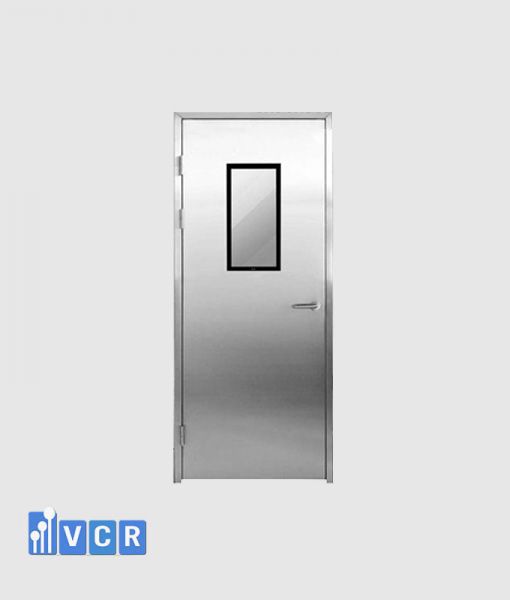

Cleanroom doors are widely used across industries to control airflow, pressure differentials, and contamination. Understanding applications helps ensure proper selection and compliance with ISO and GMP.
- How are cleanroom doors used in the pharmaceutical industry?
- How are cleanroom doors applied in electronics manufacturing?
- Are cleanroom doors used in laboratories?
- How are cleanroom doors used in sterile areas?
- Are cleanroom doors necessary in airlocks?
- How are cleanroom doors used in the food industry?
- How are cleanroom doors applied in the cosmetics industry?
- Are cleanroom doors used in hospitals?
- Are cleanroom doors used in isolation rooms?
- Are cleanroom doors used in sterile production areas?
- Are cleanroom doors used in packaging areas?
- Are cleanroom doors used in QC areas?
- Are cleanroom doors used in research facilities?
- Are cleanroom doors used in semiconductor manufacturing?
- Are cleanroom doors used in clean storage areas?
- Are cleanroom doors used in material transfer zones?
- Are cleanroom doors used in gowning rooms?
- Are cleanroom doors used in air showers?
- Are cleanroom doors used in pressure-controlled areas?
- How can cleanroom door applications be selected correctly for each industry?
In real implementation, “VCR Cleanroom Equipment” has found that the effectiveness of cleanroom doors depends heavily on selecting the right type for each specific industry and area.
How are cleanroom doors used in the pharmaceutical industry?
In pharmaceutical environments, cleanroom doors play a critical role in maintaining pressure differentials and preventing cross-contamination between production zones. They are typically installed in areas such as airlocks, gowning rooms, compounding areas, filling zones, and packaging sections. These doors are often integrated with interlock systems to prevent simultaneous opening, ensuring environmental stability. Materials must comply with GMP requirements, including easy cleaning, non-shedding surfaces, and corrosion resistance. Proper selection reduces contamination risks, supports product quality, and ensures audit compliance in regulated manufacturing environments.
How are cleanroom doors applied in electronics manufacturing?
In electronics manufacturing, cleanroom doors are essential for controlling dust and microscopic particles that can damage sensitive components and circuits. They are installed in assembly lines, production areas, inspection zones, and packaging sections. Some doors are designed to reduce static charge accumulation, supporting a stable production environment. Using appropriate cleanroom doors helps reduce defect rates, improve yield, and maintain strict environmental standards required in electronics production.
Are cleanroom doors used in laboratories?
Yes, cleanroom doors are widely used in laboratories to maintain controlled environments and ensure experimental accuracy. They help prevent contamination from external particles and microorganisms while maintaining pressure differentials between zones. Proper door systems contribute to stable testing conditions and reliable research outcomes, especially in high-precision environments.
How are cleanroom doors used in sterile areas?
In sterile environments, cleanroom doors must provide high airtightness and are often integrated with interlock systems to strictly control access. This prevents simultaneous door opening and reduces contamination risks. Doors are designed to minimize particle generation and allow easy cleaning. Proper selection and installation are critical for maintaining sterile conditions and regulatory compliance.
Are cleanroom doors necessary in airlocks?
Yes, cleanroom doors are essential in airlocks, which act as transition zones between areas of different cleanliness levels. Doors are typically configured in pairs with interlock systems to ensure only one door opens at a time. This maintains pressure differentials and prevents contamination. Proper airlock door design is key to effective cleanroom operation.
How are cleanroom doors used in the food industry?
In food processing, cleanroom doors help maintain hygiene and prevent cross-contamination between processing areas. They are designed for easy cleaning, corrosion resistance, and durability in humid environments. Proper door systems support food safety standards and regulatory compliance.
How are cleanroom doors applied in the cosmetics industry?
In cosmetics manufacturing, cleanroom doors help control dust and microbial contamination to ensure product quality. They are used in production, filling, and packaging areas. Selecting the right door type ensures compliance with industry standards and maintains consistent product quality.
Are cleanroom doors used in hospitals?
Yes, cleanroom doors are used in hospitals, particularly in operating rooms, isolation wards, and intensive care units. They help control infection, maintain sterile environments, and protect patients. Proper door systems contribute to healthcare safety and hygiene.
Are cleanroom doors used in isolation rooms?
In isolation rooms, cleanroom doors control airflow and prevent the spread of pathogens between areas. They are often designed with airtight sealing and pressure control compatibility. This ensures infection control and patient safety.
Are cleanroom doors used in sterile production areas?
Yes, cleanroom doors are essential in sterile production environments. They maintain airtight conditions, support pressure control, and prevent contamination. Proper door selection is critical for ensuring product sterility.
Are cleanroom doors used in packaging areas?
Yes, cleanroom doors help control environmental conditions and prevent contamination during packaging processes. This ensures product quality and safety.
Are cleanroom doors used in QC areas?
In quality control areas, cleanroom doors help maintain stable conditions required for accurate testing and inspection. They reduce external contamination and ensure reliable results.
Are cleanroom doors used in research facilities?
Yes, cleanroom doors are used in research environments to maintain controlled conditions. They support consistent experimental performance and environmental stability.
Are cleanroom doors used in semiconductor manufacturing?
In semiconductor facilities, cleanroom doors are critical for controlling ultra-fine particles that can affect microchip production. They play a key role in maintaining extremely clean environments.
Are cleanroom doors used in clean storage areas?
Yes, cleanroom doors help maintain stable environmental conditions in clean storage areas, protecting sensitive materials and products from contamination.
Are cleanroom doors used in material transfer zones?
Cleanroom doors control material flow and prevent cross-contamination between zones. Proper use improves operational efficiency and safety.
Are cleanroom doors used in gowning rooms?
In gowning rooms, cleanroom doors help control personnel flow and maintain cleanliness levels. They reduce contamination risks during entry and exit.
Are cleanroom doors used in air showers?
Yes, cleanroom doors are used in air showers to ensure proper decontamination before entering clean areas. They are often integrated with interlock systems for controlled operation.
Are cleanroom doors used in pressure-controlled areas?
Yes, in areas with positive or negative pressure, cleanroom doors help maintain pressure stability and airflow direction. This is essential for contamination control.
How can cleanroom door applications be selected correctly for each industry?
Proper selection requires analyzing cleanliness class, pressure differentials, movement flow, and usage frequency. Material choice, door type, and integration with systems such as HVAC and interlocks must also be considered. Selecting the right door ensures optimal performance, reduces risks, and supports long-term compliance with ISO and GMP standards. A well-informed decision at the design stage leads to stable operation and minimizes lifecycle costs.
Duong VCR