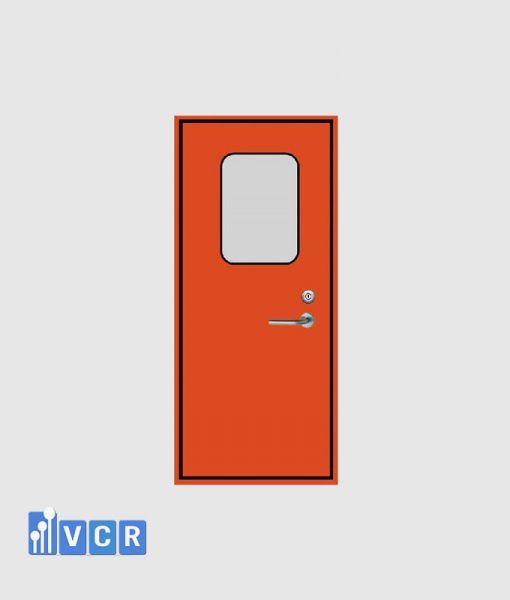
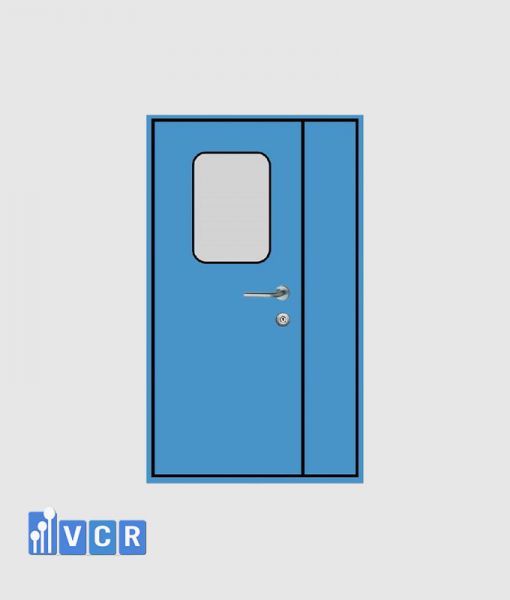
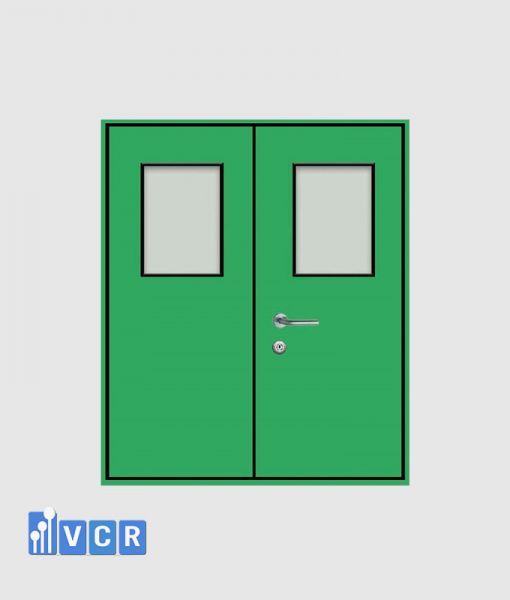
In real-world projects, “VCR Cleanroom Equipment” has found that most cleanroom door issues are not caused by the product itself, but by mistakes during the cleanroom installation process.
What are the steps in cleanroom installation of cleanroom doors?
The cleanroom installation process for cleanroom doors begins with verifying the opening dimensions to ensure alignment with design drawings and selected door specifications, followed by installing the door frame in a perfectly vertical and secure position. Next, the door leaf is mounted, and hinges or sliding mechanisms are adjusted to ensure smooth operation and proper sealing, while gaskets and accessories such as vision panels, locks, or interlock systems are installed. Finally, airtightness testing, operational checks, and fine adjustments are performed to confirm that the door functions correctly and meets environmental control requirements.
Where should cleanroom doors be installed within a cleanroom system?
Cleanroom doors should be installed at transition points between areas of different cleanliness levels such as airlocks, gowning rooms, production zones, and packaging areas to control movement and pressure differentials. The installation location must align with airflow design and operational workflow to prevent cross-contamination. Additionally, doors should not be placed directly in strong airflow paths to avoid compromising sealing performance and environmental stability.
Is there a standard spacing requirement for cleanroom door installation?
There is no fixed universal spacing standard, but spacing must be determined based on layout design, movement flow, and pressure control requirements between zones. In areas such as airlocks, the distance between doors must allow sufficient space for operation and proper interlock functionality. Proper spacing helps prevent airflow disturbance, reduces collision risks, and ensures effective environmental control.
What should be considered when installing cleanroom door frames?
Door frames must be installed accurately, vertically aligned, and firmly fixed to wall panels or structures to prevent vibration and air leakage. It is also important to check flatness and alignment to ensure the door can close tightly. Incorrect frame installation can lead to sealing issues and pressure instability within the cleanroom.
What are key considerations when installing the door leaf?
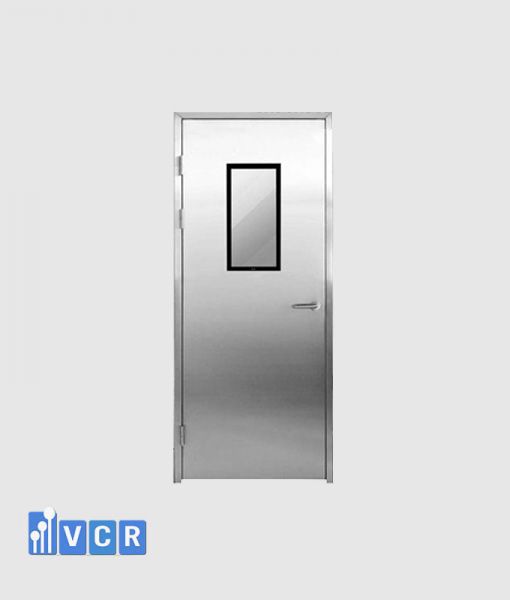
The door leaf must be balanced, aligned, and able to open and close smoothly without friction or misalignment, while ensuring uniform contact with gaskets when closed. Hinges or sliding systems must be properly adjusted to maintain airtightness and operational reliability. Proper installation ensures stable environmental control.
Is gasket installation important in cleanroom installation?
Yes, gaskets are critical for achieving airtight sealing and must be installed correctly without gaps. Improper gasket installation can lead to air leakage and loss of pressure control.
Is airtightness testing required after installation?
Yes, airtightness must be tested after installation to confirm there are no leaks and that the door meets design requirements. This ensures proper performance.
Should interlock systems be integrated during installation?
In many areas, interlock integration is required to control door operation and maintain pressure differentials. This improves system reliability.
Should airflow be checked after installation?
Yes, airflow must be verified to ensure the door does not disrupt airflow patterns. This is critical for system stability.
Should pressure differentials be tested?
Yes, pressure differential testing ensures that the door supports environmental control and performs as intended.
What are common errors in cleanroom door installation?
Common errors include misaligned frames, improper gasket installation, poor sealing, and incorrect positioning. These issues can affect system performance.
Does improper installation affect GMP compliance?
Yes, improper installation can compromise environmental control and lead to non-compliance with GMP requirements. Proper installation is essential.
Is operational testing required after installation?
Yes, doors must be tested under real operating conditions to confirm proper functionality before use.
Is acceptance testing required for cleanroom doors?
Yes, acceptance testing ensures that the door meets design and technical requirements before commissioning.
What should be included in a cleanroom door installation checklist?
The checklist should include frame alignment, door operation, gasket condition, airtightness, system integration, and documentation verification.
Is training required after installation?
Yes, operators should be trained to use doors correctly and avoid operational errors that could affect performance.
Are periodic checks required after installation?
Yes, regular inspections help maintain performance and detect issues early.
Is documentation required after installation?
Yes, proper documentation supports traceability and GMP audit requirements.
Should installation be coordinated with HVAC systems?
Yes, coordination ensures that door installation does not disrupt airflow or pressure control within the cleanroom.
How can cleanroom door installation be optimized from the beginning?
To optimize cleanroom installation, it is essential to follow design drawings, use experienced installation teams, and carefully execute each step from frame installation to system integration. Post-installation testing of airtightness, airflow, and pressure differentials is critical to confirm performance. A properly executed installation ensures stable operation, reduces repair costs, minimizes risks, and supports long-term compliance with ISO and GMP standards.
Duong VCR