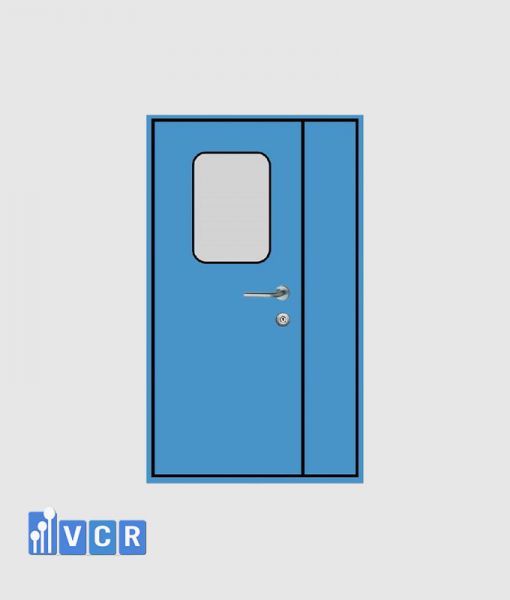
In real-world implementation, “VCR cleanroom equipment” has observed that the most common mistake is not the door quality itself, but selecting the wrong configuration from the beginning, which leads to system instability and difficulty in complying with GMP.
How to choose the right cleanroom door for each project?
Selecting a cleanroom door should start with analyzing the cleanliness classification, pressure differentials between areas, and the movement flow of personnel and materials within the facility. These factors determine the appropriate door type, size, and configuration. Additionally, it is important to consider usage frequency, level of automation, and integration capability with HVAC systems or interlock systems. A correct choice helps maintain stable airflow, minimize cross-contamination, and reduce long-term operating costs. A comprehensive evaluation from the beginning helps avoid deviations that are difficult to correct later.
How to choose the optimal cleanroom door size?
Door size should be determined based on its purpose, such as personnel movement or the transfer of materials and equipment. A door that is too small can hinder operations, while one that is too large may affect pressure differentials and environmental control. In addition, the size must align with the overall layout and ensure it does not disrupt airflow when opened. Choosing the right size helps optimize movement flow, reduce operation time, and ensure stable system performance according to standards.
Which cleanroom door materials meet GMP requirements?
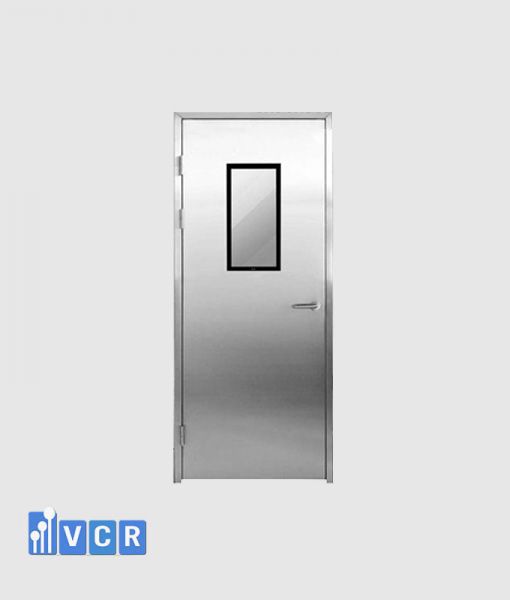
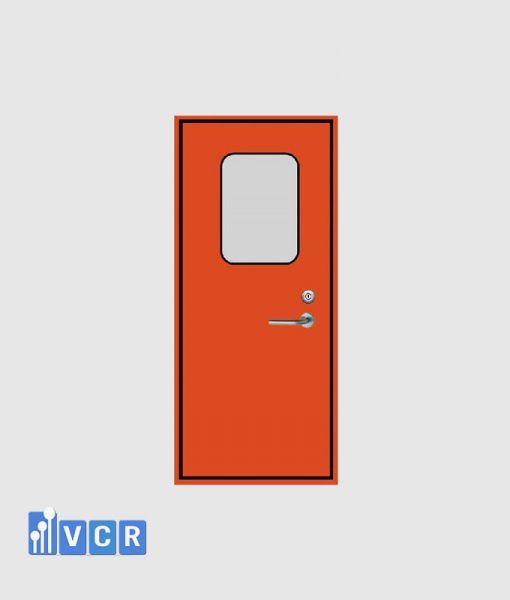
Door materials must meet strict requirements such as non-particle shedding, corrosion resistance, resistance to cleaning chemicals, and ease of cleaning. Common materials include stainless steel, powder-coated steel, and composite materials. Selection should also consider environmental conditions such as humidity, chemical exposure, and cleaning frequency. The right material helps extend door lifespan, reduce maintenance costs, and ensure long-term GMP compliance.
When should higher-end cleanroom door configurations be used?
Advanced configurations are typically required in highly controlled areas such as sterile rooms or Grade A and Grade B zones. These areas require high airtightness, stable operation, and minimal risk of contamination. Advanced features may include automatic doors, interlock systems, sensors, and access control systems. Investing in higher-end configurations helps improve safety, reduce risks, and meet strict audit requirements.
Which cleanroom door is suitable for Grade B areas?
Grade B areas require strict environmental control, so doors must have high airtightness and stable operation. They are typically integrated with interlock systems to prevent simultaneous opening and maintain pressure differentials. In addition, materials must be easy to clean and non-particle generating. The right choice helps reduce cross-contamination risks and ensures GMP compliance in critical areas.
Should you choose swing doors or sliding doors?
Swing doors are suitable for spacious areas with low usage frequency, while sliding doors are more appropriate for limited spaces with high usage frequency. Each type has its own advantages in terms of operation and space efficiency. It is also necessary to consider airflow and pressure differentials when making a decision. A suitable choice helps improve operational efficiency and reduce contamination risks.
Should automatic doors be used in cleanrooms?
Automatic doors help reduce direct contact, minimize particle generation, and improve operational efficiency in high-traffic areas. This is a common choice in modern facilities. However, investment cost and maintenance requirements should be considered. When properly configured, automatic doors can significantly improve operational efficiency and GMP compliance.
Is interlock integration necessary?
Interlock systems help control door operation and ensure that two doors cannot be opened at the same time, thereby maintaining pressure differentials and preventing cross-contamination. This is an important factor in many cleanroom areas, especially in airlocks where it is almost mandatory.
Should cleanroom doors include viewing windows?
Viewing windows allow operators to observe inside without opening the door, thereby reducing contamination risks and avoiding airflow disruption. The glass should be flush-mounted, airtight, and compliant with cleanroom standards to ensure it does not affect the environment.
Are fire-rated doors required?
In some projects, fire-rated doors are mandatory to meet building safety regulations. This requirement should be considered from the design stage. The selected doors must not compromise airtightness or cleanability.
Are anti-static doors necessary?
In industries such as electronics or semiconductors, doors may need anti-static properties to protect products from electrostatic discharge. This is especially important in sensitive environments. Choosing the right solution helps reduce product defects and maintain quality.
Is high airtightness necessary?
High airtightness is essential to maintain pressure differentials and control airflow in cleanrooms. If doors are not airtight, the entire system can become unstable. Therefore, proper sealing design and precise installation are critical.
Should doors be easy to clean?
Door design should ensure smooth surfaces, no dead corners, and easy cleaning to maintain cleanroom conditions. This helps reduce contamination risks and save cleaning time.
Is durability important?
High durability ensures long-term stable operation and reduces maintenance costs, especially in environments with high usage frequency.
Should doors be compatible with airflow?
Doors must be designed and selected to avoid disrupting airflow and affecting pressure balance. A proper choice ensures stable and efficient system operation.
Should doors be aligned with the panel system?
Consistency between doors and panel systems helps ensure airtightness and overall system aesthetics, while also reducing air leakage. Proper alignment improves system stability and ease of maintenance.
Should doors be selected based on industry?
Each industry, such as pharmaceuticals, electronics, or food production, has different environmental requirements. Therefore, doors should be selected accordingly to ensure performance and compliance with standards.
Should cost be considered when selecting doors?
Cost is an important factor but should not be the only one. It is necessary to balance initial investment with long-term operational efficiency. Choosing a cheaper but incorrect option can lead to higher costs in the future.
Should experts be consulted when selecting cleanroom doors?
Experts can help analyze requirements and provide suitable solutions for each project. This helps avoid mistakes and optimize design. Proper consultation can save costs and improve operational efficiency.
How to optimize cleanroom door configuration for the entire system?
To achieve optimal configuration, it is necessary to combine technical analysis, operational requirements, and real-world conditions of each area. In addition, materials, door types, and integrated features such as interlock systems, sensors, and automation should be selected appropriately. A correct configuration not only maintains pressure differentials and effective contamination control but also reduces operating costs, extends equipment lifespan, and ensures long-term compliance with ISO and GMP standards. This is a key factor in the success of a cleanroom system.
Duong VCR