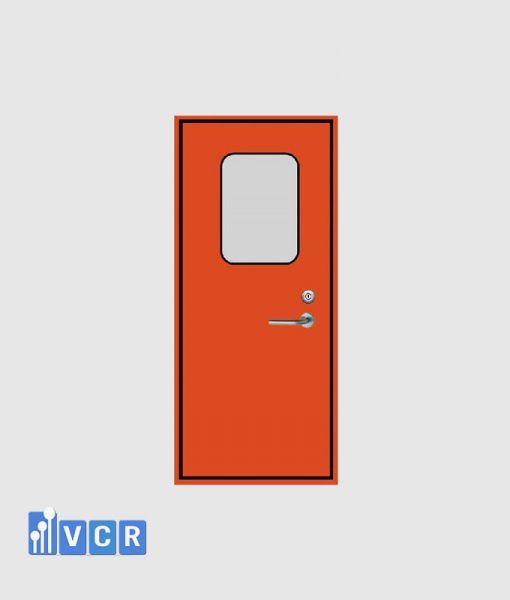
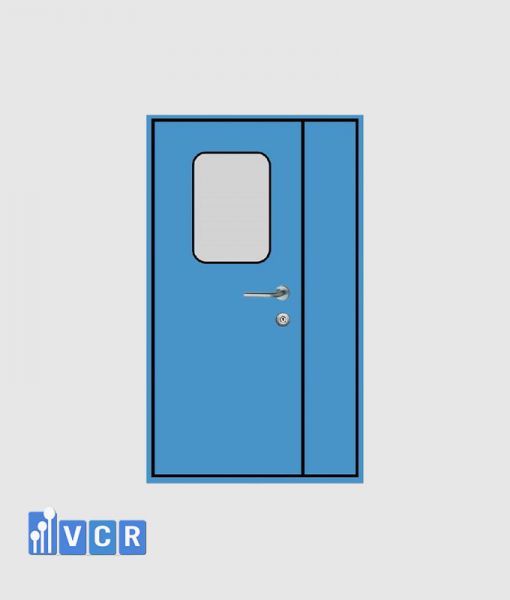
In real-world use, “VCR Cleanroom Equipment” has found that most operational issues are not caused by the door itself, but by improper user practices.
What is the correct way to operate cleanroom doors in GMP environments?
Proper operation of cleanroom doors requires opening and closing gently to avoid structural damage and loss of airtightness, while ensuring that doors are not left open longer than necessary to prevent disruption of pressure differentials and airflow. Operators must follow defined movement pathways, open doors only when required, and ensure doors are fully closed after each use. In addition, checking the door condition before and after operation helps identify abnormalities early, ensuring that the cleanroom environment remains stable and compliant with GMP requirements.
How do cleanroom doors function during a production shift?
During a production shift, cleanroom doors operate based on personnel and material movement, making it critical to control both the frequency and duration of door openings to maintain pressure stability and prevent contamination. Operators must coordinate with interlock systems when available to avoid simultaneous door openings and follow entry and exit procedures strictly. Proper operation throughout the shift helps maintain environmental consistency, reduce deviations, and ensure product quality.
When should cleanroom door opening be minimized?
Door opening should be minimized during sensitive operations such as sterile production, quality inspections, or when maintaining stable pressure differentials is critical, because unnecessary opening can disrupt airflow and increase contamination risks. In high-class cleanroom areas, strict control of door usage is essential to maintain environmental integrity. Following these practices helps ensure stable system performance and reduces operational risks.
When should cleanroom door operation be stopped for handling issues?
Operation should be stopped immediately when abnormalities are detected, such as improper sealing, unusual noise, misalignment, or difficulty in opening and closing, as these issues can directly affect pressure control and environmental stability. Additionally, doors should be taken out of operation during maintenance or inspection to ensure safety. Timely intervention prevents further damage and maintains system reliability.
What safety features are available in cleanroom doors?
Modern cleanroom doors often include safety features such as obstruction sensors, automatic closing mechanisms, and interlock systems to control door operation and prevent user errors. These features help avoid collisions, prevent simultaneous door openings, and maintain pressure stability. Proper use of safety mechanisms enhances system reliability and ensures GMP compliance.
Is operator training required for cleanroom door operation?
Training is essential to ensure that operators understand correct procedures, recognize abnormal conditions, and use doors properly to avoid impacting the cleanroom environment. This reduces errors and improves operational efficiency.
Should doors be checked before operation?
Yes, checking ensures that doors are functioning correctly and are free from damage or misalignment before use. This helps prevent operational risks.
Should door opening time be controlled?
Yes, opening time must be minimized to avoid disrupting pressure differentials and airflow. Prolonged opening can affect the entire cleanroom system.
Is interlock use necessary during operation?
Interlock systems ensure that two doors are not opened simultaneously, maintaining pressure stability and preventing contamination.
Should doors be closed immediately after use?
Yes, immediate closure ensures airtightness and maintains environmental stability, which is critical for cleanroom operation.
Should impact and rough handling be avoided?
Yes, impacts can damage door structure and sealing performance, so doors should always be operated carefully.
Should movement through doors be controlled?
Yes, controlling personnel and material flow helps prevent cross-contamination and maintains system efficiency.
Should airtightness be checked during operation?
Yes, periodic checks ensure that doors maintain proper sealing and continue to support environmental control.
Should doors be cleaned regularly?
Yes, regular cleaning maintains hygiene and reduces contamination risks within the cleanroom.
Should operational logs be recorded?
Yes, logs provide traceability, support GMP audits, and help analyze system performance over time.
Should operation be coordinated with HVAC systems?
Yes, coordination ensures that airflow and pressure differentials remain stable during door use.
Should issues be addressed immediately when detected?
Yes, immediate action prevents system disruption and reduces operational risks.
Should simultaneous opening of multiple doors be avoided?
Yes, opening multiple doors can disrupt pressure balance and increase contamination risks, so it must be controlled.
Is SOP compliance required during operation?
Yes, SOPs standardize procedures and reduce errors, ensuring consistent and compliant operation.
How can cleanroom door operation be optimized for long-term performance?
Optimizing operation requires proper training, strict adherence to SOPs, controlled door usage, and correct use of features such as interlock and sensors, along with regular inspections and proper documentation. Correct operation maintains a stable cleanroom environment, reduces maintenance costs, minimizes risks, and ensures long-term compliance with ISO and GMP standards throughout the lifecycle of the system.
Duong VCR